
Our services

Tuina Massage
Tuina massage, is a traditional Chinese therapeutic massage and bodywork technique that has been practiced for over 2,000 years. It is an integral part of traditional Chinese medicine (TCM) and shares principles with acupuncture and acupressure. Key features and techniques of Tuina massage include:
Tuina massage is used to address a wide range of health issues, including musculoskeletal problems, pain management, stress reduction, and the treatment of various ailments. It is often used alongside other traditional Chinese medicine practices such as acupuncture and herbal medicine to establish a comprehensive approach to health and well-being.
Swedish Massage
Swedish massage is one of the most well-known and widely practiced forms of massage therapy. It was developed by Pehr Henrik Ling, a Swedish physiologist, in the early 19th century. Swedish massage is known for its focus on relaxation and overall well-being.
Swedish massage is known for its ability to promote relaxation and reduce stress. It is often used for general relaxation, stress relief, and improving overall well-being. However, it can also have therapeutic benefits, such as reducing muscle tension, improving circulation, and relieving minor aches and pains.
Deep Tissue Massage
Deep tissue massage is a specialized type of massage therapy designed to target chronic tension, muscle adhesions (painful, rigid tissue bands), and areas of the body where deeper layers of muscles and fascia (connective tissue) may be tight or restricted. It represents a more intensive and therapeutic approach compared to Swedish massage, which primarily aims at relaxation.
Key Characteristics:
Firm Pressure: Deep tissue massage employs firm pressure and deliberate, slow strokes to access specific muscle layers and underlying tissues. This technique allows therapists to reach and release tension deep within the muscles.
Trigger Point Therapy: Trigger points are localized areas of muscle tightness that can radiate pain to other parts of the body. Therapists may use direct pressure to alleviate these trigger points.
Deep tissue massage is often sought by individuals who have chronic muscle pain, postural problems, or specific areas of tension or injury. It can be particularly effective for addressing issues like:
Lower back pain
Neck and shoulder pain
Muscle stiffness and tightness
Recovery from sports injuries
Limited range of motion
Repetitive strain injuries

Accupressure
Whereas deep tissue massage involves applying pressure in firm strokes to reach deeper levels of muscles, an acupressure therapist will apply sustained but gentle pressure to target specific ‘accupoints,’ the same points used in acupuncture and based on traditional Chinese medicine. The purpose is to release muscle tension and increase blood flow. Acupressure is a specific massage technique to decrease pain, release tension in muscles, improve blood circulation, release stress and anxiety. Acupressure is also effective in relieving headaches and managing conditions such as fibromyalgia and menstrual cramps.

Reflexology
Reflexology is a therapeutic practice that involves applying pressure to specific points on the feet, hands, or ears. These points, known as reflex areas or reflex points, are believed to correspond to specific organs, glands, and other parts of the body. The primary goal of reflexology is to promote relaxation, relieve tension, and support the body’s natural healing processes.

Waxing
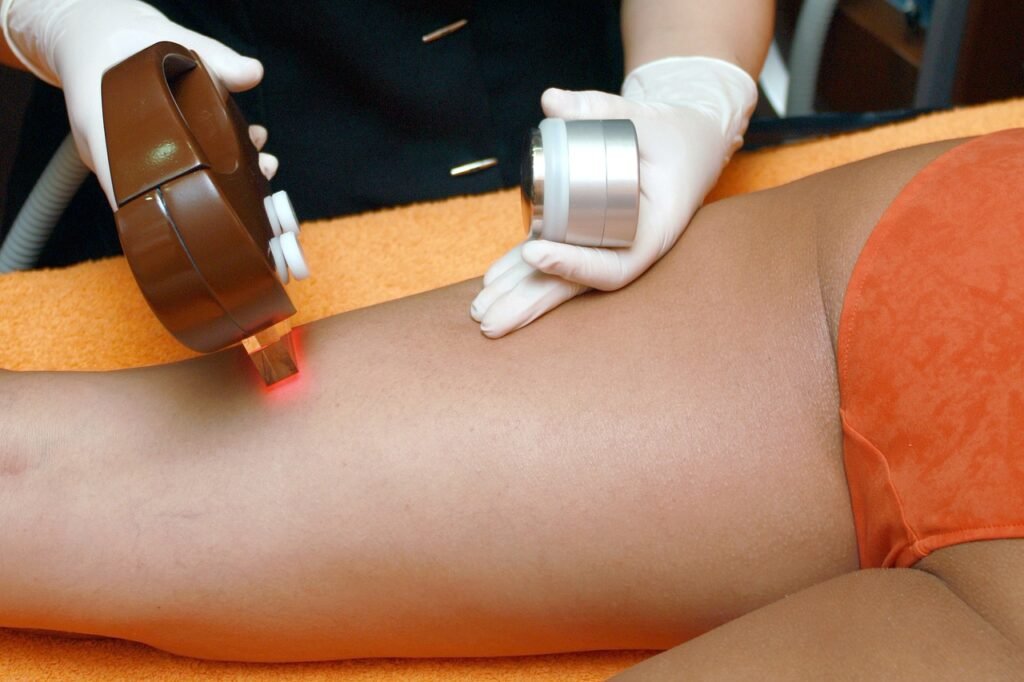
For a longer-lasting, smoother feeling, waxing is a must. Hair is removed directly from the roots, and will often grow back thinner. A professional waxing every 4-6 weeks will in fact save you time, and definitely cut down on the stress of everyday shaving.

Cupping treatment
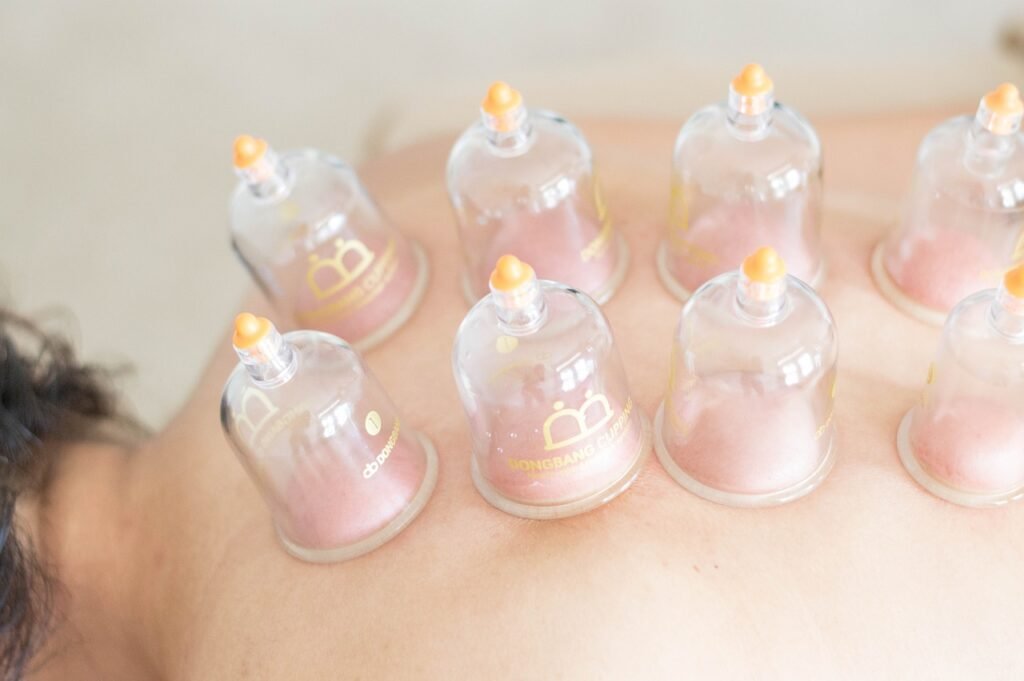
The 2016 summer Olympics had its share of exciting performances, upsets, and photo finishes. But for days after Michael Phelps’s first appearance at the games, it seemed all anyone could talk about was “cupping.” It’s an ancient therapy that left multiple circular discolorations on his skin.During “dry cupping,” suction is applied to the skin for several minutes; sometimes it is combined with massage, acupuncture, or other alternative therapies.
Cupping is a traditional technique of traditional Chinese medicine. It uses the can as a tool to remove the air in the can by means of burning fire and pumping air, creating a negative pressure and making it adsorb on the acupoints or the body surface of the part to be pulled, causing local skin congestion and blood stasis. In order to achieve the purpose of preventing and treating diseases.
The role of cupping
Cupping acts on the skin on the body surface, adjusts the functions of the viscera through the overall action of the viscera, meridians, qi and blood, strengthens the body, eliminates pathogenic factors, and balances yin and yang. During the self-adjustment of the body, cupping therapy produces the effects of promoting qi and blood circulation, relaxing tendons and collaterals, reducing swelling and pain, expelling wind and dampness, and acts as a benign stimulus to restore the body to normal functions.
Guasha treatment
When the body feels unwell, many people prefer to go for scraping therapy, and the scraping effect is also good. Gua Sha is guided by the theory of meridians and acupoints in traditional Chinese medicine. Through special scraping utensils and corresponding techniques, a certain medium is dipped and scraped and rubbed repeatedly on the body surface, so that red miliary grains or dark red bleeding spots appear on the skin locally. “Outgoing Sha” changes, so as to achieve the effect of promoting blood circulation and penetrating Sha.
1. Promoting blood circulation and removing blood stasis : Gua Sha can regulate the contraction and relaxation of muscles, so that the pressure between tissues can be adjusted to promote blood circulation around the scraping tissue. Increase tissue flow, thereby playing the role of “activating blood and removing blood stasis” and “removing blood stasis and promoting regeneration”.
2. Regulating Yin and Yang : Gua Sha can significantly adjust the balance of Yin and Yang on visceral functions. For example, for those with hyperactive intestinal peristalsis, using scraping techniques on the abdomen and back can suppress the hyperactive patients and return them to normal. Conversely, for those with impaired intestinal motility, it can promote their motility to return to normal. This shows that scraping can improve and adjust the function of viscera, so that the yin and yang of viscera can be balanced.
3. Relax tendons and collaterals : Muscle tension and pain often have a causal relationship with each other. Gua Sha treatment eliminates pain lesions, and muscle tension also disappears; if tense muscles are relaxed, pain and compression symptoms can also be significantly reduced or disappeared. At the same time, it is conducive to the repair of lesions.
Massage
120 Minutes
$170
SPECIAL COMBO
1 hr Body + 1 hr Reflexology
$150
Massage
90 Minutes
$130
Massage
60 Minutes
$85
Reflexology
1 hr Foot Massage
$85
Massage
45 Minutes
$70
Cupping / Guasha
30 Minutes
$35
Hand & Feet
30 Minutes Waxing
$20
Underarms
30 Minutes Waxing
$25
Forearms
30 Minutes Waxing
$35
Full arms
30 Minutes Waxing
$45
Lower legs
30 Minutes Waxing
$45